


Guides




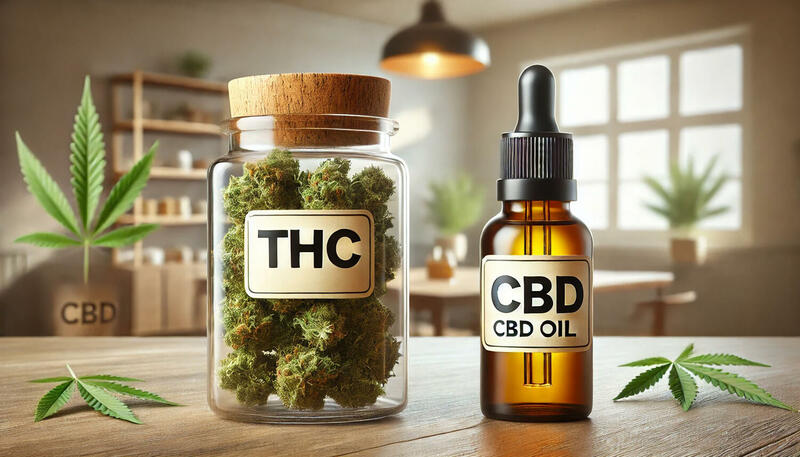
THC vs. CBD: Key Differences and How to Choose
THC vs. CBD: What Are They and How Do They Work?
Cannabis has been used for centuries for both medicinal and recreational purposes, but not all cannabis compounds work the same way. THC (tetrahydrocannabinol) and CBD (cannabidiol) are the two most well-known cannabinoids, and while they share some similarities, their effects on the body and mind are distinctly different.
If you've ever wondered, “What is THC?” or “What is CBD?”, this guide will break down their key differences, benefits, and how to choose the right one for your needs.
THC vs. CBD Effects: Why It Matters for Your Health
With the growing popularity of CBD oils, THC tinctures, edibles, and topicals, it's essential to know what each compound does. Some people look for the euphoric and relaxing effects of THC, while others prefer the therapeutic benefits of CBD without the high.
Choosing the right cannabinoid depends on your goals:
| Goal | Best Choice |
|---|---|
| Pain relief | Both THC & CBD (combined effects work best) |
| Anxiety reduction | CBD (THC can increase anxiety for some users) |
| Sleep improvement | THC or CBD (depends on the type of sleep issue) |
| Inflammation relief | CBD |
| Appetite stimulation | THC |
The Rise of Cannabis in Medicine and Wellness
The use of THC and CBD has skyrocketed in recent years, driven by increasing research and consumer interest. People are turning to cannabis-based products for chronic pain, stress relief, better sleep, and general wellness.
- CBD has gained mainstream acceptance due to its non-psychoactive nature and potential health benefits. You can now find CBD in everything from oils to skincare products.
- THC remains widely used for medical and recreational purposes, especially in states and countries where cannabis is legal. It is frequently prescribed for pain, nausea, and appetite stimulation.
How to Use THC and CBD Safely: Dosage and Risks
While THC and CBD can provide significant benefits, responsible use is essential to maximize their effectiveness and minimize potential side effects. Here are a few key safety tips:
- Start with a low dose, especially if you are new to cannabis.
- Be aware of how each compound affects you before mixing them.
- Choose high-quality, lab-tested products to ensure purity and potency.
- Consider your personal sensitivity—some people react strongly to THC, while others tolerate it well.
As we move forward, we'll explore the deeper differences between THC and CBD, their effects on the body, and how they can be used for medical and therapeutic purposes.
Key Differences Between THC and CBD
Cannabis is made up of more than 100 cannabinoids, but THC (tetrahydrocannabinol) and CBD (cannabidiol) are the two most well-known and widely studied. While both interact with the endocannabinoid system, they do so in different ways, leading to distinct effects on the body and mind.
Understanding the THC vs CBD difference is crucial for those looking to use cannabis for pain relief, anxiety management, or general wellness. Below, we'll break down their chemical structure, psychoactive effects, and safety considerations to help you make an informed choice.
Chemical Structure and Interaction with the Body
One of the biggest reasons for the differences between THC and CBD lies in their chemical structure. While both compounds share the same molecular formula (C₂₁H₃₀O₂), their atomic arrangement differs, which significantly impacts how they interact with the endocannabinoid system (ECS).
The ECS is responsible for regulating key functions such as mood, pain, sleep, appetite, and immune response. It consists of two main receptors: CB1 and CB2.
CB1 and CB2 Receptors: How THC and CBD Interact with the ECS
| Receptor Type | Location | Interaction with THC | Interaction with CBD |
|---|---|---|---|
| CB1 | Found primarily in the brain and central nervous system | THC binds strongly to CB1 receptors, leading to psychoactive effects such as euphoria and altered perception. | CBD does not bind directly to CB1 receptors but can modulate their activity, reducing THC's intensity. |
| CB2 | Located in the immune system, gut, and peripheral organs | THC has a weak interaction with CB2 receptors. | CBD interacts more strongly with CB2 receptors, which is why it has anti-inflammatory and pain-relieving benefits. |
Because THC binds directly to CB1 receptors, it produces the "high" associated with cannabis use. In contrast, CBD influences receptor activity without directly binding, which explains why it does not cause intoxication but still offers therapeutic effects.
These CBD vs THC effects on the ECS make them suitable for different medical and wellness applications. THC is often preferred for pain and nausea relief, while CBD is widely used for anxiety, inflammation, and neuroprotection.
THC vs. CBD Psychoactive Effects
The most noticeable difference between THC and CBD is their effect on the mind.
| Feature | THC | CBD |
|---|---|---|
| Psychoactive? | Yes, produces a "high" | No, CBD is non-psychoactive |
| Mood Effects | Euphoria, relaxation, altered perception | Calming, stress reduction |
| Cognitive Effects | Can impair short-term memory and reaction time | Does not impair cognition |
| Best For | Pain relief, appetite stimulation, nausea, sleep aid | Anxiety relief, inflammation reduction, neuroprotection |
Side Effects and Safety Considerations
Both THC and CBD are considered safe, but they come with different side effects depending on dosage and individual sensitivity.
| Side Effect | THC | CBD |
|---|---|---|
| Anxiety & Paranoia | Common in high doses | May help reduce anxiety |
| Dry Mouth | Common | Less common |
| Increased Appetite | Yes ("munchies") | No effect on appetite |
| Drowsiness | Possible, especially in high doses | Mild drowsiness in some users |
| Memory Impairment | Short-term effects possible | No known impact |
| Drug Interactions | May interact with medications | Can affect drug metabolism |
Is CBD Safe?
CBD is widely regarded as safe and well-tolerated, even at high doses. However, some users may experience:
- Drowsiness, especially when taken in large amounts.
- Lower blood pressure, which may cause dizziness.
- Mild digestive discomfort, such as nausea or diarrhea.
- Possible interactions with medications, especially blood thinners.
THC vs CBD for Stress Relief and Inflammation
- THC can help with stress relief, but it may trigger anxiety in some users.
- CBD is often preferred for long-term stress management, as it reduces anxiety without causing intoxication.
- For inflammation, CBD is the better option due to its strong anti-inflammatory properties, though THC may help with pain perception.
Understanding the key differences between THC and CBD is essential for choosing the right cannabinoid for your needs. THC is best for those seeking psychoactive effects or stronger pain relief, while CBD is ideal for those looking for non-intoxicating therapeutic benefits.
If you're unsure which one to use, a balanced THC:CBD product might be the best solution, providing the benefits of both cannabinoids while minimizing unwanted effects.
THC vs. CBD Medical and Therapeutic Benefits
The medical benefits of cannabis have been widely studied, with THC and CBD each offering unique advantages. While THC effects are often associated with pain relief and sleep improvement, CBD benefits are more commonly linked to reducing anxiety and inflammation. Many people also explore THC vs CBD for migraines and chronic pain management, depending on their symptoms and tolerance to psychoactive effects.
Some conditions respond better to one cannabinoid over the other, while others may benefit from a balanced THC:CBD ratio. The following sections break down the therapeutic uses of THC and CBD to help determine the best option for various medical needs.
Potential Benefits of THC
THC is known for its strong pain-relieving, muscle-relaxing, and nausea-reducing properties. It binds directly to CB1 receptors in the brain, which helps regulate pain perception, appetite, and mood.
THC for Pain Relief
Many individuals turn to THC for pain relief, especially those suffering from chronic conditions such as arthritis, neuropathy, and fibromyalgia. By interacting with the nervous system, THC can alter pain signals, providing relief that is often more potent than over-the-counter medications.
THC for Nausea and Vomiting
One of the most studied THC benefits is its ability to reduce nausea and vomiting, making it a valuable option for:
- Cancer patients undergoing chemotherapy, where severe nausea is a common side effect.
- Individuals with digestive disorders, such as Crohn's disease.
- People experiencing motion sickness or medication-induced nausea.
THC Appetite Stimulation
Another well-documented effect of THC is its ability to increase appetite. Patients struggling with severe weight loss, HIV/AIDS, or cancer often benefit from THC appetite stimulation, as it can encourage food intake and prevent malnutrition.
THC for Muscle Relaxation
People with multiple sclerosis, Parkinson's disease, and muscle spasms frequently use THC for muscle relaxation. Its interaction with CB1 receptors in the central nervous system helps reduce spasticity and stiffness, improving mobility and comfort.
THC for Sleep Aid
For those struggling with insomnia or sleep disturbances, THC for sleep aid can be highly effective. Many users report that THC helps them fall asleep faster and promotes deep relaxation. However, long-term use at high doses may disrupt REM sleep cycles, so it's important to use THC responsibly for sleep disorders.
Potential Benefits of CBD
Unlike THC, CBD is non-psychoactive, meaning it does not produce a high but still offers a range of therapeutic effects. Many people prefer CBD for anxiety, inflammation, and neuroprotection, as it interacts with multiple receptors in the endocannabinoid system without causing intoxication.
CBD for Anxiety and Stress Relief
Research suggests that CBD benefits those suffering from anxiety, making it a popular choice for conditions such as:
- Generalized anxiety disorder (GAD)
- Post-traumatic stress disorder (PTSD)
- Social anxiety disorder
Compared to THC vs CBD for anxiety relief, CBD is often the better choice since THC can sometimes exacerbate anxious feelings, particularly in high doses.
CBD for Inflammation and Pain
For individuals with chronic inflammation, CBD vs THC for inflammation often favors CBD, as it interacts with CB2 receptors in the immune system. Studies suggest CBD may:
- Reduce joint inflammation in arthritis patients.
- Help manage autoimmune disorders like lupus.
- Alleviate muscle pain without the psychoactive effects of THC.
CBD for Epilepsy
One of the most significant CBD benefits is its anti-epileptic properties. In fact, Epidiolex, an FDA-approved CBD-based drug, is prescribed to treat seizure disorders such as Dravet syndrome and Lennox-Gastaut syndrome.
CBD for Skin Health
The rise of CBD for skin health has led to its inclusion in many skincare products. Thanks to its anti-inflammatory and antioxidant properties, CBD is used for:
- Acne, as it helps reduce oil production.
- Eczema and psoriasis, by calming irritated skin.
- Anti-aging, as it helps neutralize free radicals that cause premature aging.
Can THC and CBD Work Together?
Many cannabis users ask, "Can you mix THC and CBD?" The answer is yes, and doing so often enhances their therapeutic effects while reducing undesirable side effects.
The Entourage Effect: How THC and CBD Complement Each Other
A well-known concept in cannabis research is the entourage effect, which suggests that THC, CBD, and other cannabinoids work together synergistically. Rather than using THC or CBD alone, many prefer products containing both for a more balanced experience.
Best THC CBD Ratio for Pain and Stress Relief
Depending on individual tolerance and medical needs, different THC:CBD ratios provide varying effects:
- For pain relief, a 1:1 THC:CBD ratio is often recommended, as it provides the benefits of both cannabinoids while minimizing THC's psychoactive effects.
- For stress relief, a higher CBD-to-THC ratio (such as 20:1) may be better, as it allows calming effects without intoxication.
How CBD Can Reduce THC's Psychoactive Effects
CBD is known to counteract some of THC's effects, particularly its tendency to cause anxiety or paranoia. For those new to cannabis or sensitive to THC effects, using a product with a balanced THC:CBD ratio can create a milder and more controlled experience.
Common Medical Cannabis Formulations with THC and CBD
Many medical cannabis treatments are designed with specific THC:CBD ratios to optimize their therapeutic value:
| THC:CBD Ratio | Best Uses |
|---|---|
| 1:1 (Equal THC and CBD) | Pain relief, muscle relaxation, general wellness |
| High CBD, Low THC (e.g., 20:1) | Anxiety, inflammation, epilepsy |
| High THC, Low CBD (e.g., 5:1) | Severe pain, appetite stimulation, nausea relief |
By choosing the right THC:CBD balance, individuals can maximize benefits while minimizing unwanted side effects.
Both THC and CBD offer unique therapeutic benefits, making them valuable tools for pain relief, stress management, and chronic conditions.
- THC is commonly used for pain relief, nausea, appetite stimulation, and sleep aid.
- CBD is favored for reducing anxiety, inflammation, epilepsy, and improving skin health.
- Combining THC and CBD through a balanced ratio can provide the best therapeutic outcomes while reducing negative side effects.
For those considering cannabis for medical use, understanding the differences and synergies between THC and CBD can help determine the best treatment approach.
Different Forms and Methods of Consumption
The way THC and CBD are consumed greatly impacts their effects, absorption rate, and duration in the body. Whether you prefer CBD vs THC oil, edibles, topicals, vaping, or tinctures, each method offers unique advantages. Understanding what is the best method of consumption for CBD and THC depends on personal preference, medical needs, and desired effects.
Oils and Tinctures
One of the most popular ways to consume cannabis is through oils and tinctures, which offer a precise and controlled dosage. Both CBD vs THC oil are widely used for pain relief, anxiety, and sleep disorders, but they interact with the body in different ways.
How Do THC and CBD Interact with the Endocannabinoid System?
When consumed as an oil or tincture, both THC and CBD interact with the endocannabinoid system (ECS) by binding to or modulating CB1 and CB2 receptors. THC binds more strongly to CB1 receptors, leading to psychoactive effects, while CBD modulates receptor activity without causing intoxication.
Differences in Effects Between THC and CBD Oils
- THC oil is commonly used for pain management, appetite stimulation, and sleep aid, but it may cause intoxication.
- CBD oil is preferred for inflammation, anxiety, and general wellness, without producing a high.
- Full-spectrum oils contain a mix of THC, CBD, and other cannabinoids, creating an entourage effect that enhances therapeutic benefits.
How to Dose Properly
- Start with a low dose, especially if using THC-based tinctures.
- Sublingual absorption (placing drops under the tongue) provides faster effects compared to swallowing.
- Effects can last 4-6 hours, making it a good choice for long-term relief.
Vaping and Smoking
For those seeking fast-acting effects, vaping and smoking cannabis are among the most efficient methods. However, when choosing between THC vs CBD for vaping, it's important to understand how they impact the body differently.
THC vs CBD Chart: Differences in Vaping Effects
| Feature | THC (Vaped/Smoked) | CBD (Vaped/Smoked) |
|---|---|---|
| Onset Time | 1-5 minutes (rapid effects) | 1-5 minutes (fast absorption) |
| Psychoactive? | Yes, produces a high | No, non-psychoactive |
| Best For | Pain relief, relaxation, recreational use | Anxiety relief, focus, general wellness |
| Duration of Effects | 1-3 hours | 2-4 hours |
Safe Practices for Vaping and Smoking Cannabis
While vaping and smoking deliver THC and CBD into the bloodstream quickly, there are important safety considerations:
- Avoid low-quality vape cartridges, which may contain harmful additives.
- Use well-tested, reputable brands to reduce exposure to toxins.
- Limit inhalation frequency to prevent potential lung irritation.
- Consider using dry herb vaporizers instead of oil-based cartridges for a cleaner experience.
Capsules and Edibles
For those looking for discreet, long-lasting effects, THC vs CBD edibles and capsules are a preferred choice. Unlike smoking or vaping, edibles take longer to kick in but provide extended relief.
How Metabolism Affects THC and CBD Differently
Edibles are processed through the digestive system, meaning THC is converted into a more potent compound (11-hydroxy-THC), resulting in stronger and longer-lasting effects. CBD, on the other hand, is broken down more slowly, leading to a gradual, sustained effect.
Dosing Guidelines and Precautions
- Start with a low dose (5-10 mg THC or 20-25 mg CBD).
- Effects may take 30-90 minutes to appear, so avoid taking additional doses too soon.
- THC effects from edibles can last 6-12 hours, while CBD effects may last 4-8 hours.
Topicals (Creams, Lotions, and Balms)
For localized relief, THC vs CBD topicals provide a non-intoxicating option that targets pain and inflammation directly at the application site.
Differences in Absorption Between THC and CBD
- CBD for inflammation is widely used in arthritis creams and muscle recovery balms.
- THC for pain relief can be found in medicated lotions designed for joint and nerve pain.
- Topicals do not enter the bloodstream, meaning THC-based creams will not produce a high.
Best Use Cases and Application Methods
- Apply to sore muscles, joints, or irritated skin for targeted relief.
- Use THC-infused topicals for deeper pain relief in conditions like arthritis or nerve pain.
- CBD-based skincare products help with eczema, psoriasis, and acne.
For chronic pain sufferers, the best THC CBD ratio for pain in topicals varies, with some products offering a 1:1 or 3:1 CBD to THC ratio for enhanced pain management.
Safety Tips for Consumption
When using THC or CBD, it's important to follow safe consumption practices to avoid side effects and maximize benefits.
Is CBD Safe?
CBD is generally well-tolerated, but in high doses, it may cause:
- Drowsiness or lightheadedness.
- Mild digestive discomfort.
- Potential interactions with medications.
Can You Overdose on THC or CBD?
While there are no fatal overdoses of THC or CBD, consuming too much THC can cause:
- Intense anxiety or paranoia.
- Dizziness, nausea, or confusion.
- Elevated heart rate and short-term memory impairment.
Safe Practices for Cannabis Consumption
- Start with a low dose, especially with THC, and increase gradually.
- Monitor individual tolerance, as effects vary from person to person.
- Avoid mixing THC or CBD with alcohol or medications unless advised by a doctor.
- Choose lab-tested products to ensure purity and potency.
The best method of consumption for CBD and THC depends on individual needs and desired effects:
- Oils and tinctures provide precise dosing and long-lasting effects.
- Vaping and smoking deliver rapid relief but come with lung health considerations.
- Edibles and capsules offer extended benefits but require careful dosing.
- Topicals work well for localized pain relief without psychoactive effects.
By understanding how each method impacts the body, users can make an informed decision about THC vs CBD consumption methods that best suit their health and lifestyle.
Ongoing Research
Scientific interest in THC and CBD research has grown significantly in recent years, as studies continue to explore their potential medical applications. Both cannabinoids have demonstrated therapeutic potential, leading to increased interest in their use for neurological disorders, pain management, anxiety, cancer treatment, and sleep regulation.
Overview of Past Research on THC and CBD
Early studies on THC effects primarily focused on its psychoactive properties, pain-relieving abilities, and appetite stimulation. Meanwhile, research on CBD benefits gained traction due to its non-intoxicating nature and its role in reducing inflammation, anxiety, and seizure activity.
Some of the most notable past studies include:
- THC and CBD for medical use in chronic pain relief, particularly for conditions such as arthritis and multiple sclerosis.
- CBD's effectiveness in treating epilepsy, leading to the FDA approval of Epidiolex, a CBD-based medication.
- THC's role in chemotherapy-induced nausea and appetite stimulation for cancer patients.
- Studies on THC vs CBD for neurological disorders, examining their potential to slow neurodegeneration in diseases like Alzheimer's and Parkinson's.
Key Findings on Their Medical Applications
Current research has produced promising results in several areas, reinforcing the potential therapeutic value of cannabinoids. Key findings include:
| Condition | THC Findings | CBD Findings |
|---|---|---|
| Neurological Disorders | Potential neuroprotective effects; may reduce muscle spasms in multiple sclerosis. | May protect brain cells from damage and reduce neuroinflammation. |
| Pain and Inflammation | Effective for chronic pain and inflammatory conditions. | Reduces inflammation and modulates pain perception. |
| Anxiety and PTSD | Can reduce anxiety in low doses but may trigger paranoia in high doses. | Strong anxiolytic properties; helps with PTSD and social anxiety. |
| Cancer Treatment | May slow tumor growth in some studies; helps with chemotherapy side effects. | Shows anti-cancer potential in lab studies; reduces chemotherapy-induced nerve damage. |
| Sleep Disorders | Can promote sleep but may interfere with REM cycles. | Helps regulate circadian rhythms and improve sleep quality. |
Ongoing Studies on THC and CBD
As interest in THC vs CBD scientific studies grows, researchers are conducting new clinical trials to further understand their long-term effects and medical applications. Some of the most active areas of research include:
THC vs CBD for Neurological Disorders
- Investigating how CBD may slow the progression of neurodegenerative diseases such as Alzheimer's and Parkinson's.
- Studying how THC and CBD interact with neurotransmitters to reduce tremors and improve cognitive function.
- Evaluating the effectiveness of THC-based treatments for multiple sclerosis (MS) in managing muscle spasticity and nerve pain.
THC vs CBD for Pain Management and Inflammation
- Clinical trials examining how THC and CBD relieve chronic pain, particularly in arthritis, fibromyalgia, and neuropathy.
- Studies analyzing whether CBD reduces inflammation without the psychoactive effects of THC, making it a better alternative for long-term pain management.
THC vs CBD for Anxiety, Depression, and PSD
- Research exploring whether CBD can be an alternative to traditional anti-anxiety medications, such as SSRIs.
- Studies comparing THC's ability to reduce stress in small doses vs. its potential to trigger anxiety at higher doses.
- Evaluating how CBD interacts with serotonin receptors to alleviate symptoms of PTSD and depression.
THC vs CBD for Cancer Treatment and Symptom Relief
- Ongoing trials investigating whether THC can inhibit tumor growth in certain types of cancer.
- Research on CBD's potential anti-cancer properties, specifically how it may prevent cancer cell proliferation.
- Continued exploration of THC and CBD for managing chemotherapy side effects, including nausea, vomiting, and neuropathic pain.
THC vs CBD for Sleep Disorders and Circadian Rhythm Regulation
- Studies testing whether CBD can improve sleep quality without the sedative effects of THC.
- Clinical trials on THC's impact on REM sleep cycles and whether it affects long-term sleep patterns.
- Investigations into how CBD interacts with melatonin receptors to regulate circadian rhythms.
Future Directions in Cannabinoid Research
As cannabinoid research expands, future studies will likely focus on:
- Personalized cannabis medicine, using genetic markers to determine the best THC:CBD ratios for individual patients.
- Long-term safety studies to evaluate the effects of daily THC and CBD use over decades.
- New cannabinoid-based pharmaceuticals aimed at treating neurodegenerative diseases, anxiety disorders, and chronic pain.
- Advancements in cannabis delivery methods, such as nanotechnology-based formulations for better absorption.
Ongoing research into THC and CBD continues to uncover new medical applications, from pain relief and inflammation reduction to neurological protection and cancer treatment. With increasing scientific support, the future of cannabinoid-based medicine looks promising, paving the way for more effective, personalized treatments in the years to come.
Frequently Asked Questions (FAQ)
As interest in THC and CBD research grows, many people have questions about how these cannabinoids work, their effects, and how to use them safely. Below are answers to some of the most common questions regarding THC vs CBD, their differences, interactions, and safety considerations.
What is the difference between THC and CBD?
The key difference between THC and CBD is that THC is psychoactive, meaning it produces a high, while CBD is non-psychoactive and does not alter perception.
| Feature | THC | CBD |
|---|---|---|
| Psychoactive? | Yes | No |
| Best For | Pain, nausea, appetite stimulation, relaxation | Anxiety, inflammation, seizure disorders, neuroprotection |
| Interaction with the Body | Binds directly to CB1 receptors | Modulates CB1 and CB2 receptors |
Both compounds interact with the endocannabinoid system, but they do so in different ways, leading to unique effects on mood, pain perception, and overall health.
Can THC and CBD be used together?
Yes! Many people wonder, "Can you mix THC and CBD?" The answer is yes, and doing so can enhance therapeutic benefits while reducing side effects.
This is due to the entourage effect, which suggests that cannabinoids work better when combined than when used alone. For example:
- CBD can reduce THC's psychoactive intensity, helping prevent anxiety or paranoia.
- THC may enhance CBD's pain-relieving properties, making the combination more effective for chronic pain management.
- Many medical cannabis products contain balanced THC:CBD ratios to optimize results.
Does CBD have psychoactive effects like THC?
No, CBD does not have psychoactive effects like THC. While it may influence mood and relaxation, it does not cause euphoria or altered perception. This makes it a great option for those who want the benefits of cannabis without feeling high.
How long do the effects of THC and CBD last?
The duration of THC and CBD effects depends on the method of consumption:
| Consumption Method | Onset Time | Duration of Effects |
|---|---|---|
| Smoking/Vaping | 1–5 minutes | 1–3 hours |
| Edibles | 30–90 minutes | 6–12 hours |
| Oils/Tinctures | 15–45 minutes | 4–6 hours |
| Topicals | 15–30 minutes | Varies; local relief only |
THC tends to have a stronger, shorter-lived effect, while CBD's effects may be more subtle but longer-lasting.
How long do THC and CBD stay in the body?
The length of time THC and CBD stay in the body varies based on dosage, frequency of use, and metabolism:
- THC can be detected in urine for up to 30 days in frequent users and up to a week in occasional users.
- CBD typically clears the system within a few days, but some metabolites may linger longer.
- Both cannabinoids can be detected in blood for 24-48 hours after consumption.
Can THC and CBD show up on a drug test?
Yes, THC will show up on standard drug tests because most tests screen for THC metabolites.
CBD alone should not trigger a positive test, but some full-spectrum CBD products contain trace amounts of THC, which may result in a positive result in sensitive tests.
Can I drive after using THC or CBD?
- THC impairs coordination and reaction time, making driving unsafe and illegal in many places after consumption.
- CBD does not impair motor function, but high doses may cause drowsiness, so caution is advised.
If you have consumed any THC-containing product, it is best to wait several hours before driving.
Which is better for pain relief: THC or CBD?
- THC is more effective for severe pain, particularly for conditions like nerve pain, arthritis, and cancer-related discomfort.
- CBD is better for inflammation-related pain, such as joint pain or muscle recovery.
- A combination of both often provides the best relief, as CBD can enhance THC's pain-relieving properties while reducing its psychoactive side effects.
Which is better for anxiety: THC or CBD?
- CBD is the better option for anxiety relief, as it promotes relaxation without causing intoxication.
- THC can help some people with anxiety, but in high doses, it may actually increase anxiety or paranoia.
- A low-dose THC and higher CBD ratio may be helpful for stress and PTSD management.
Can CBD or THC help with sleep?
- THC can promote sleep by inducing drowsiness, but it may reduce REM sleep over time.
- CBD may help regulate sleep cycles and improve overall sleep quality, especially for those with stress-related insomnia.
Some people find that combining THC and CBD in specific ratios offers the best sleep support.
What is the best method of consumption for CBD and THC?
The best consumption method depends on personal needs:
| Goal | Best Method |
|---|---|
| Fast relief | Vaping or smoking |
| Long-lasting effects | Edibles or capsules |
| Precision dosing | Tinctures and oils |
| Localized pain relief | Topicals (creams, lotions, balms) |
Can I overdose on THC or CBD?
- CBD is considered safe, even in high doses. The worst effects might be drowsiness or digestive issues.
- THC can cause discomfort at high doses, leading to paranoia, dizziness, nausea, and increased heart rate, but it is not lethal.
Can I take THC or CBD with my medications?
Both THC and CBD can interact with certain medications, especially those processed by the liver. It is always best to consult a doctor before using cannabis alongside prescription medications.
Are all CBD products the same?
No! CBD products vary widely in quality, potency, and composition. Consider the following:
- Full-spectrum CBD contains CBD, minor cannabinoids, and trace amounts of THC.
- Broad-spectrum CBD contains CBD and minor cannabinoids but no THC.
- CBD isolate contains only pure CBD, with no THC or other cannabinoids.
Always check lab test results to ensure you are getting a pure and potent product.
What is the entourage effect?
The entourage effect refers to how THC, CBD, and other cannabinoids work together to enhance their therapeutic effects. For example:
- CBD can reduce THC's psychoactive intensity.
- THC can enhance CBD's pain-relieving benefits.
- Terpenes and other compounds contribute to the overall effectiveness of cannabis products.
Can I build a tolerance to THC or CBD?
- THC tolerance can develop over time, requiring higher doses for the same effects. Taking tolerance breaks can reset sensitivity.
- CBD does not typically cause tolerance build-up, meaning regular users don't need to increase their dosage over time.
Does THC or CBD work better for inflammation?
- CBD is generally more effective for reducing chronic inflammation, making it ideal for autoimmune disorders and arthritis.
- THC can also help with inflammation, but it is more commonly used for pain relief.
For the best anti-inflammatory effects, many patients use CBD-dominant products or CBD:THC combinations.
Official Resources and Further Reading
For those interested in THC vs CBD research and their medical applications, several reputable organizations provide scientific studies, health reports, and regulatory information. Below are some of the best sources for cannabis research and reliable data on CBD benefits and THC effects.
Trusted Sources for Cannabis Research
- National Institutes of Health (NIH) – Publishes peer-reviewed studies on THC and CBD, including their effects on pain management, neurological disorders, and mental health.
- World Health Organization (WHO) – Released a comprehensive CBD safety report, confirming its potential medical applications and low risk for abuse.
- PubMed – A medical database containing thousands of scientific studies on THC and CBD for medical use, including cancer treatment, epilepsy, and chronic pain.
- FDA (Food and Drug Administration) – Provides information on CBD regulations, approved medications like Epidiolex, and ongoing clinical trials on cannabinoids.
- Project CBD – A research-based nonprofit offering educational resources on the therapeutic uses of CBD and its effects on the endocannabinoid system.
These sources provide valuable insights into ongoing research, making them essential for anyone looking to stay updated on cannabis science and medical advancements.
THC vs. CBD: How to Choose the Right One for You
With so many cannabis products available, understanding how to choose between THC and CBD is essential for safe and effective consumption. While both cannabinoids offer medical benefits, their effects differ significantly.
Key Differences Recap: THC vs. CBD
| Factor | THC | CBD |
|---|---|---|
| Psychoactive? | Yes, produces a high | No, non-intoxicating |
| Best for Pain Relief? | Effective for severe pain, nerve pain, and muscle relaxation | Helps with inflammatory pain and chronic conditions |
| Anxiety & Stress | May increase anxiety in high doses | Reduces stress and anxiety |
| Sleep Support | Can aid sleep but may affect REM cycles | Regulates sleep patterns without sedation |
| Legal Status | Restricted in many places | More widely accepted globally |
How to Choose Between THC and CBD
Your choice depends on personal needs and health goals:
- If you want pain relief without psychoactive effects, CBD is the better option.
- If stronger pain relief, nausea control, or appetite stimulation is needed, THC may be more effective.
- For stress relief and anxiety, CBD is generally preferred, as THC can sometimes increase anxiety in high doses.
- If using cannabis for medical conditions, consult a healthcare professional to determine the best THC:CBD ratio for your specific needs.
Safe Cannabis Consumption Guidelines
Regardless of which cannabinoid you choose, safe consumption is key:
- Start with a low dose, especially with THC, to avoid unwanted side effects.
- Monitor how your body reacts before increasing the dosage.
- Consider different consumption methods (oils, edibles, vaping, or topicals) based on your preference and medical needs.
- Use lab-tested products to ensure purity and potency.
Final Thoughts
Both THC and CBD have valuable therapeutic uses, and choosing between them depends on individual tolerance, medical conditions, and desired effects. Whether you opt for CBD for anxiety and inflammation or THC for pain relief and sleep, responsible use and scientifically backed information will help you make the best choice.